Vinyasa Yoga Explained: Flow, Benefits & Who Should Do It
What Is Vinyasa Yoga?
Vinyasa Yoga is one of the most popular modern yoga styles practiced around the world today. If you enjoy movement, rhythm, and variety in your workout, Vinyasa Yoga may be the perfect choice for you. In simple words, Vinyasa Yoga is a flow-based yoga style where poses are connected smoothly with breath. Unlike Hatha Yoga, which is slow and static, Vinyasa Yoga is dynamic and energetic. Each Vinyasa class can be different, making it exciting and engaging for both beginners and advanced practitioners.
Meaning of Vinyasa Yoga
The word “Vinyasa” comes from Sanskrit and means: “To place in a special way”
This refers to:
- Moving from one pose to another
- Coordinating movement with breathing
- Creating a smooth, continuous flow
In Vinyasa Yoga, every movement is guided by the breath, which helps create a meditative experience even during physical activity.
What Is Vinyasa Flow?
Vinyasa Flow is the heart of this yoga style.
A typical Vinyasa flow includes:
- Inhale → Lift or open the body
- Exhale → Fold or contract the body
One of the most common Vinyasa sequences is:
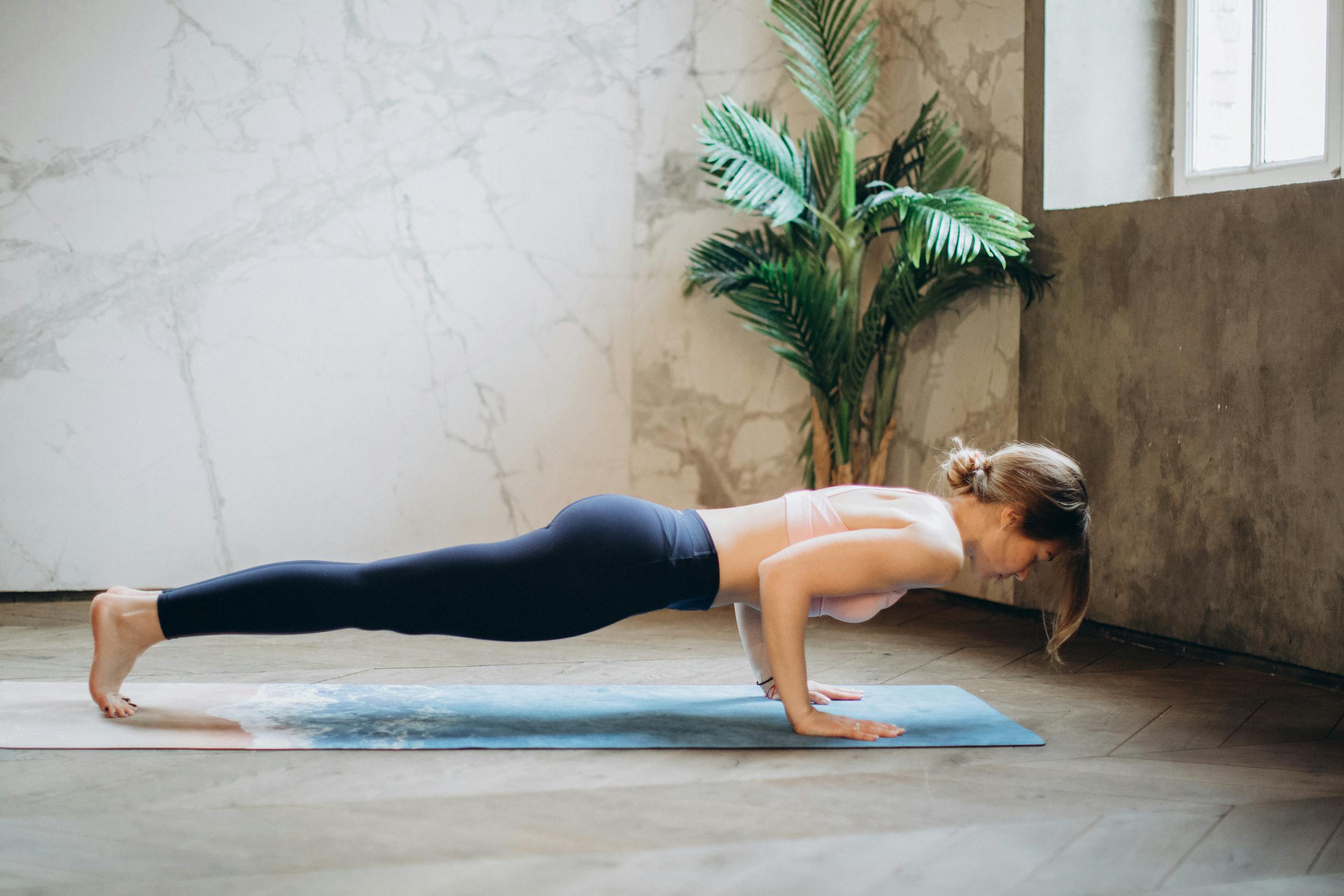
- Plank
- Chaturanga
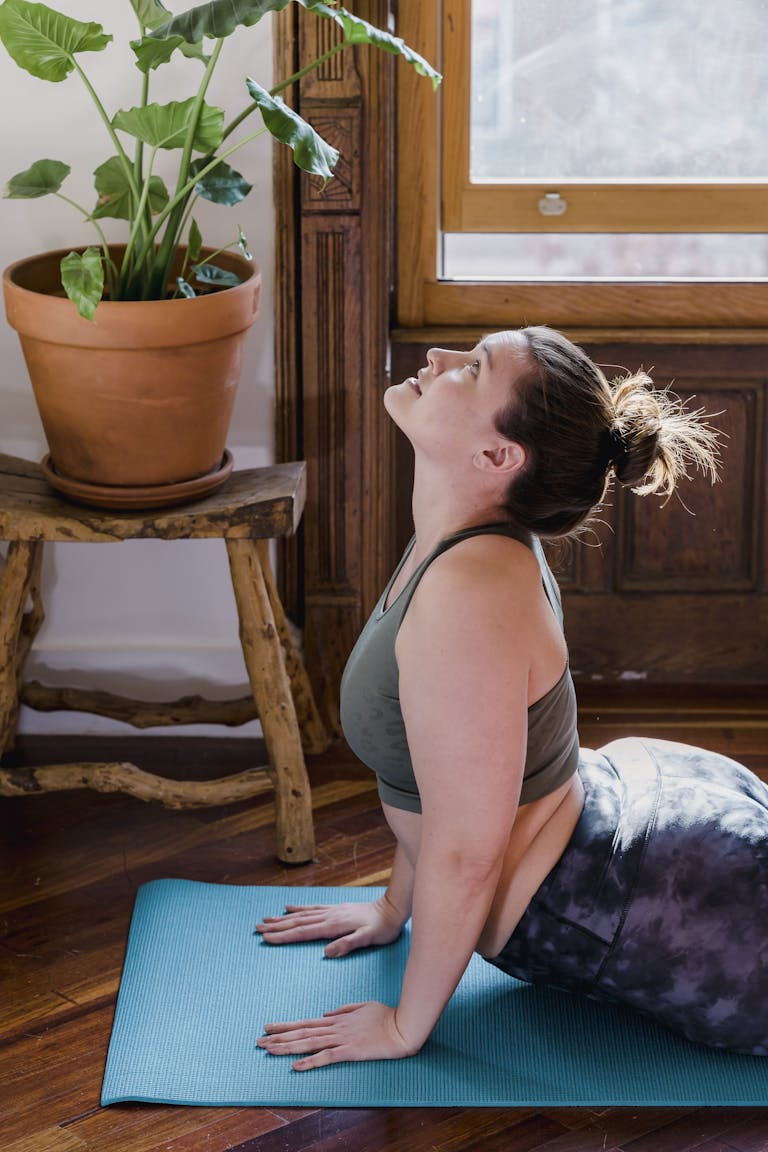
- Upward Facing Dog
- Downward Facing Dog
This flowing sequence is often called a Vinyasa.
How Vinyasa Yoga Is Different from Other Yoga Styles
Vinyasa Yoga vs Hatha Yoga
| Vinyasa Yoga | Hatha Yoga |
| Fast-paced | Slow-paced |
| Continuous movement | Holds poses longer |
| Breath-led flow | Static breathing |
| Burns more calories | Gentle practice |
Vinyasa Yoga vs Ashtanga Yoga
| Vinyasa Yoga | Ashtanga Yoga |
| Flexible sequences | Fixed sequences |
| Creative classes | Strict structure |
| Suitable for many levels | Physically demanding |
Common Vinyasa Yoga Poses
Some commonly practiced poses in Vinyasa Yoga include:
1. Surya Namaskar (Sun Salutation)
- Warms up the body
- Improves flexibility
- Builds stamina
2. Adho Mukha Svanasana (Downward Dog)
- Strengthens arms and legs
- Improves circulation
- Relieves stress
3. Virabhadrasana (Warrior Pose)
- Builds leg strength
- Improves balance
- Boosts confidence
4. Trikonasana (Triangle Pose)
- Improves flexibility
- Strengthens core
- Aids digestion
5. Balasana (Child’s Pose)
- Provides rest
- Relaxes the body
- Calms the mind
Benefits of Vinyasa Yoga
1. Helps in Weight Loss
Vinyasa Yoga keeps your body moving continuously, which:
- Burns calories
- Boosts metabolism
- Helps reduce body fat
This makes Vinyasa Yoga one of the best yoga styles for weight loss.
2. Improves Strength and Flexibility
- Builds lean muscle
- Improves joint mobility
- Enhances body balance
3. Improves Heart Health
Because of its flowing nature, Vinyasa Yoga:
- Increases heart rate
- Improves blood circulation
- Supports cardiovascular health
4. Reduces Stress and Anxiety
- Breath-focused movement calms the mind
- Reduces mental clutter
- Improves emotional balance
5. Improves Focus and Mindfulness
- Enhances concentration
- Improves mind-body awareness
- Encourages living in the present moment
Vinyasa Yoga for Beginners
Beginners can absolutely start Vinyasa Yoga, but with some care.
Tips for Beginners:
- Start with beginner-level classes
- Move slowly
- Focus on breathing
- Take breaks when needed
- Avoid forcing poses
If you are completely new to yoga, it is recommended to practice Hatha Yoga first, then move to Vinyasa.
Who Should Do Vinyasa Yoga?
Vinyasa Yoga is ideal for:
- People looking for weight loss
- Fitness lovers
- Office workers wanting active movement
- Those who get bored easily
- People with moderate fitness levels
Who Should Avoid or Modify Vinyasa Yoga?
- People with joint injuries
- Seniors with limited mobility
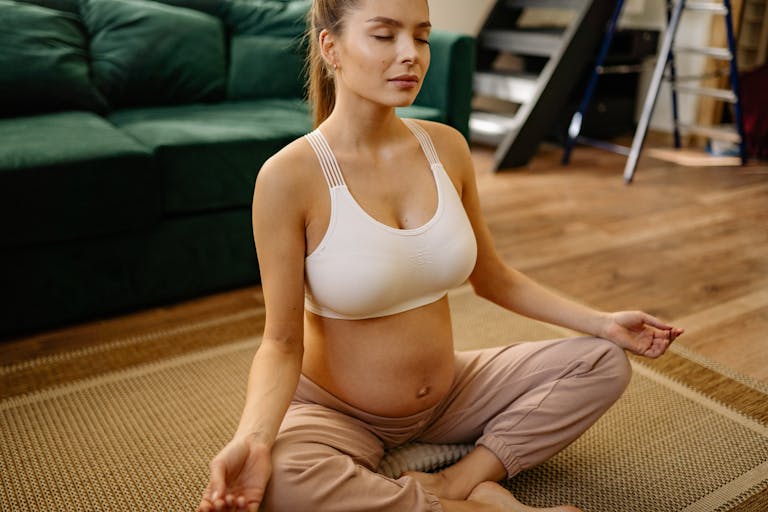
- Pregnant women (unless prenatal-specific classes)
- People with heart conditions (doctor’s advice required)
Vinyasa Yoga and Breathing
Breathing is central to Vinyasa Yoga.
Common breathing pattern:
- Inhale during expansion
- Exhale during contraction
Benefits of breath-led movement:
- Improves oxygen flow
- Enhances stamina
- Reduces fatigue
Can You Practice Vinyasa Yoga at Home?
Yes, Vinyasa Yoga can be practiced at home if:
- You know basic poses
- You follow guided videos
- You listen to your body
Beginners should start under guidance before practicing alone.
How Often Should You Do Vinyasa Yoga?
- Beginners: 3–4 times a week
- Intermediate: 4–6 times a week
- Duration: 45–60 minutes
Consistency brings the best results.
Myths About Vinyasa Yoga
❌ Vinyasa Yoga is only for young people
❌ Vinyasa Yoga is too difficult
❌ Vinyasa Yoga is only for weight loss
✅ Truth: Vinyasa Yoga can be modified for different fitness levels.
Is Vinyasa Yoga Right for You?
If you enjoy movement, variety, and energy, Vinyasa Yoga is an excellent choice. It not only improves physical fitness but also brings mental clarity and emotional balance. Start at your own pace, focus on breathing, and allow the flow of Vinyasa Yoga to energize your body and calm your mind.
FAQ
Q1. What is Vinyasa Yoga in simple words?
Vinyasa Yoga is a flow-based yoga style where poses are linked with breath in a smooth sequence.
Q2. Is Vinyasa Yoga good for beginners?
Yes, beginners can practice Vinyasa Yoga with slow-paced and beginner-friendly classes.
Q3. Does Vinyasa Yoga help in weight loss?
Yes, Vinyasa Yoga helps burn calories and supports healthy weight loss.
Q4. How is Vinyasa Yoga different from Power Yoga?
Vinyasa Yoga focuses on flow and breath, while Power Yoga focuses more on fitness intensity.
Q5. Can I do Vinyasa Yoga daily?
Yes, you can practice Vinyasa Yoga daily if your body feels comfortable.