Yoga Styles for Beginners at Home: Complete Step-by-Step Guide
Can Beginners Really Do Yoga at Home?
Yes, absolutely Yoga is one of the safest and most beginner-friendly practices you can start at home — even without flexibility, fitness, or prior experience.
Many people think yoga requires:
- Expensive classes
- Flexible bodies
- Advanced poses
👉 That’s a myth In fact, several yoga styles are specially suited for beginners practicing at home. These styles focus on:
- Simple movements
- Slow pace
- Breathing
- Mind–body awareness
Before we explore them, you can also read our Types of Yoga: Complete Guide to All Yoga Styles to understand how different yoga styles are categorized.
Why Choose Yoga at Home as a Beginner?
Practicing yoga at home has many advantages:
✅ Benefits of Home Yoga for Beginners
- No pressure or comparison
- Practice at your own speed
- No travel or class fees
- Flexible timing
- Comfortable environment
Yoga at home is especially helpful for:
- Busy professionals
- Homemakers
- Students
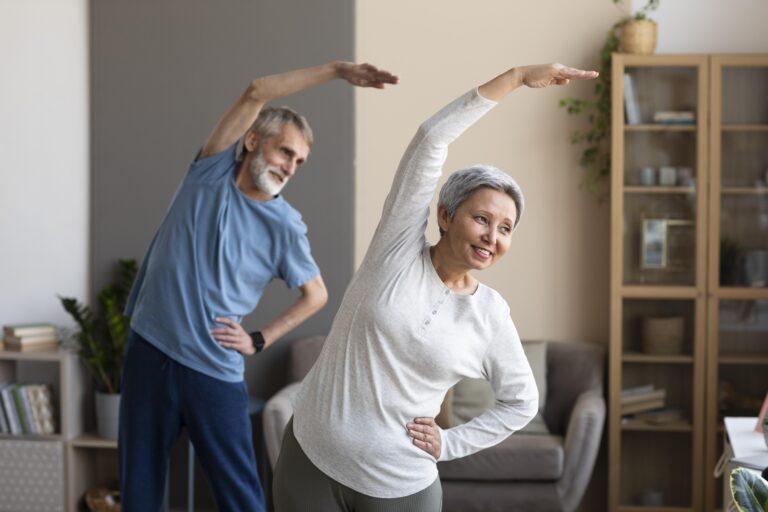
- Seniors
- People with anxiety or low confidence
Best Yoga Styles for Beginners at Home
Let’s explore the most beginner-friendly yoga styles you can safely practice at home.
1️⃣ Hatha Yoga – Best Yoga Style for Absolute Beginners
Hatha Yoga is the most recommended yoga style for beginners.
Why Hatha Yoga Is Ideal:
- Slow pace
- Simple postures
- Focus on breathing
- Easy to follow at home
This style forms the base of many modern yoga practices.
Benefits:
- Improves flexibility
- Builds strength gently
- Reduces stress
- Improves posture
👉 Learn more about this style in our detailed guide on Hatha Yoga and Its Benefits.
Best for:
✔ Beginners
✔ Seniors
✔ People with stiffness
2️⃣ Yin Yoga – Easy Yoga for Relaxation at Home
Yin Yoga is a calm, slow, and deeply relaxing yoga style.
Key Features:
- Poses held for longer time
- Mostly floor-based postures
- Minimal movement
Benefits for Beginners:
- Improves flexibility
- Relieves joint stiffness
- Reduces anxiety
- Improves sleep
If you feel stressed, tired, or mentally overloaded, Yin Yoga is perfect.
👉 Yin Yoga pairs well with Restorative Yoga for Stress Relief.
3️⃣ Restorative Yoga – Healing Yoga for Home Practice
Restorative Yoga is all about deep rest and healing.
Why Beginners Love It:
- Uses cushions, pillows, blankets
- Very gentle poses
- Almost no physical strain
Benefits:
- Calms the nervous system
- Reduces stress and burnout
- Helps with sleep issues
- Great for recovery days
This style is excellent for people with:
- Anxiety
- Fatigue
- Chronic stress
4️⃣ Vinyasa Yoga (Beginner Level) – Gentle Flow at Home
Vinyasa Yoga involves gentle flowing movements linked with breath.
Beginners should start with slow or beginner Vinyasa, not advanced flows.
Benefits:
- Improves coordination
- Builds stamina gradually
- Makes yoga enjoyable
If you enjoy movement but don’t want intense workouts, beginner Vinyasa is ideal.
👉 For stronger versions, read Vinyasa Yoga Explained and Power Yoga for Fitness.
5️⃣ Chair Yoga – Perfect for Beginners with Limited Mobility
Chair Yoga is a hidden gem for beginners.
Who Should Try Chair Yoga?
- Seniors
- Office workers
- Overweight beginners
- People with knee or back pain
Benefits:
- Safe and accessible
- Improves circulation
- Reduces joint pain
Chair Yoga is a great gateway into regular yoga practice.
Yoga Styles Beginners Should Avoid (Initially)
Some yoga styles are not beginner-friendly at home, especially without guidance.
Avoid starting with:
❌ Ashtanga Yoga
❌ Power Yoga (advanced)
❌ Bikram / Hot Yoga
These styles require:
- High stamina
- Proper alignment
- Professional supervision
You can explore them later once your body adapts.
How to Start Yoga at Home (Beginner’s Step-by-Step Plan)
🕒 Step 1: Start Small
- 15–20 minutes per day
- 3–5 days a week
🧘 Step 2: Choose One Style
Stick to one beginner-friendly yoga style for at least 3–4 weeks.
🧘♀️ Step 3: Basic Yoga Routine
- Warm-up (5 min)
- 5–7 simple poses
- Relaxation / breathing
🧠 Step 4: Focus on Breath
Breathing is more important than perfect poses.
What You Need to Practice Yoga at Home
Minimal setup 👇
✔ Yoga mat (or carpet)
✔ Comfortable clothes
✔ Quiet space
✔ Optional: cushion or towel
No expensive equipment needed.
Common Mistakes Beginners Make (Avoid These!)
❌ Trying advanced poses too early
❌ Skipping warm-up
❌ Comparing yourself to others
❌ Practicing with pain
❌ Inconsistent routine
Yoga is a journey, not a race.
How Long Does It Take to See Results?
Most beginners notice:
- Better flexibility in 2–3 weeks
- Reduced stress in 1–2 weeks
- Improved sleep within days
Consistency matters more than intensity.
Yoga Styles for Beginners at Home – Quick Comparison Table
| Yoga Style | Difficulty | Best For |
| Hatha Yoga | Easy | Absolute beginners |
| Yin Yoga | Very Easy | Stress & flexibility |
| Restorative Yoga | Very Easy | Healing & sleep |
| Vinyasa (Beginner) | Moderate | Gentle fitness |
| Chair Yoga | Very Easy | Seniors & mobility issues |
Conclusion: Start Simple, Stay Consistent 🌱
Yoga for beginners at home is not about perfection It’s about:
- Awareness
- Breathing
- Gentle movement
Start slow, choose the right yoga style, and stay consistent. For a complete understanding of all yoga practices, don’t forget to explore our Types of Yoga: Complete Guide.
FAQ
Which yoga is best for beginners at home?
Hatha Yoga and Yin Yoga are the best and safest choices.
Can beginners do yoga without a trainer?
Yes. Start with simple styles and listen to your body.
How many days should beginners do yoga?
3–5 days a week is ideal.
Is yoga at home effective?
Yes, home yoga is highly effective if practiced consistently.
What is the easiest yoga style?
Restorative Yoga and Chair Yoga are the easiest.