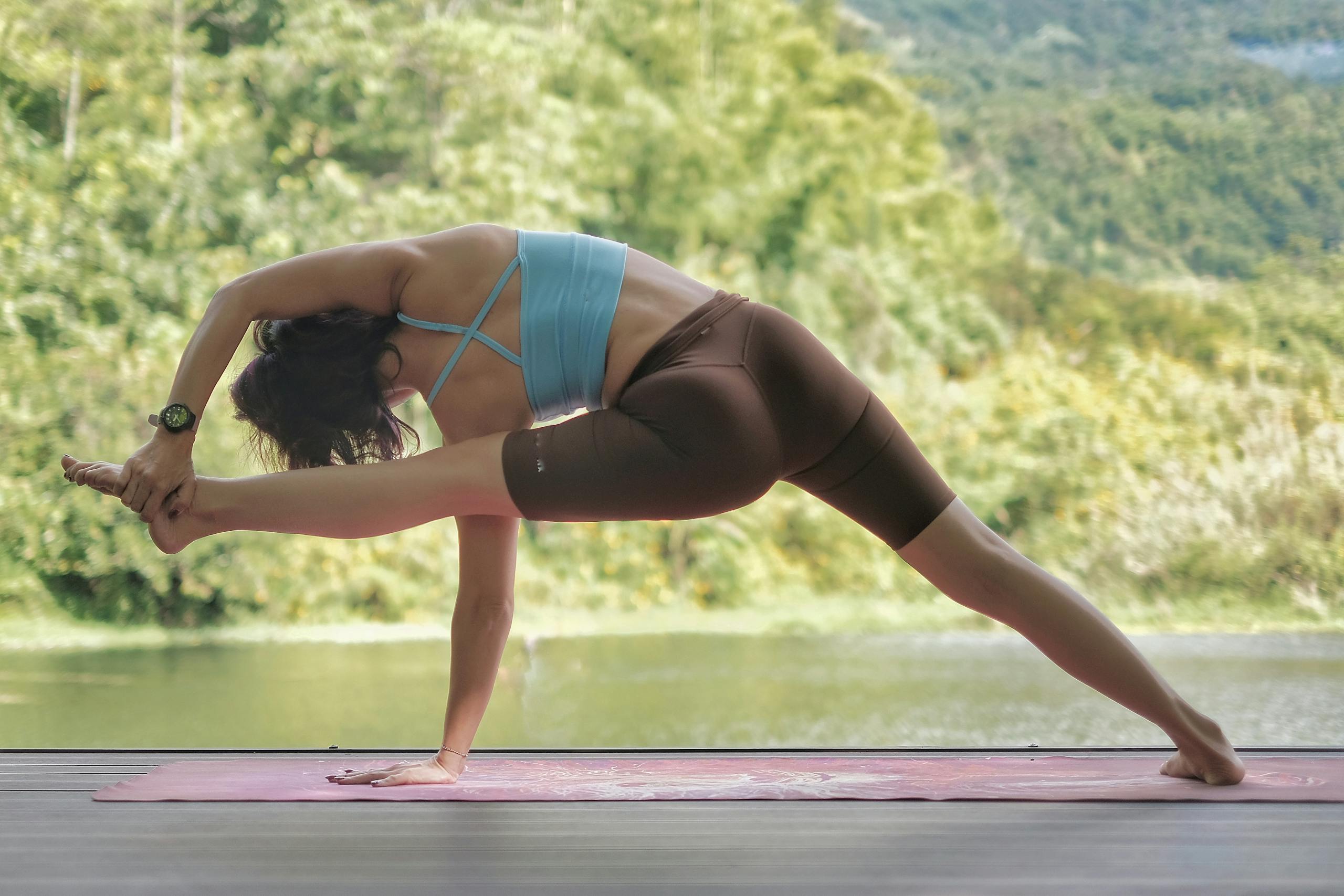
What Is Hatha Yoga and Its Benefits: A Complete Beginner’s Guide
What Is Hatha Yoga?
Hatha Yoga is one of the oldest and most traditional forms of yoga. Almost all modern yoga styles are derived from Hatha Yoga. If you are new to yoga and wondering where to start, Hatha Yoga is the safest and most recommended option.
In simple words, Hatha Yoga focuses on balancing the body and mind through:
- Physical postures (Asanas)
- Breathing techniques (Pranayama)
- Relaxation and awareness
Hatha Yoga is not fast or aggressive. It is slow, gentle, and mindful, making it ideal for beginners, seniors, and anyone looking for a calm yoga practice.
Meaning of Hatha Yoga
The word Hatha comes from Sanskrit:
- “Ha” means Sun
- “Tha” means Moon
Hatha Yoga aims to balance:
- Strength and flexibility
- Activity and relaxation
- Body and mind
This balance helps improve overall health and inner harmony.
History and Origin of Hatha Yoga
Hatha Yoga originated in ancient India and was mentioned in classical yogic texts such as:
- Hatha Yoga Pradipika
- Gheranda Samhita
- Shiva Samhita
- Originally, Hatha Yoga was practiced to prepare the body and mind for meditation and spiritual growth. Today, it is widely practiced for physical fitness, mental peace, and stress relief.
What Makes Hatha Yoga Different from Other Yoga Styles?
Hatha Yoga is different because it focuses on:
- Holding poses for a longer time
- Correct posture and alignment
- Deep breathing
- Awareness of body movements
Unlike Power Yoga or Vinyasa Yoga, Hatha Yoga is not rushed. Each pose is practiced slowly, allowing beginners to learn safely.
Hatha Yoga for Beginners: Why It Is the Best Choice
Hatha Yoga is considered the best yoga style for beginners because:
- Easy and slow movements
- Less risk of injury
- Focus on basic yoga poses
- Improves flexibility gradually
- Helps build a strong foundation
Even people with no exercise background can start Hatha Yoga comfortably.
Common Hatha Yoga Poses (Asanas)
Here are some basic Hatha Yoga poses often practiced in a beginner class:
1. Tadasana (Mountain Pose)
- Improves posture
- Strengthens legs
- Increases body awareness
2. Vrikshasana (Tree Pose)
- Improves balance
- Strengthens legs
- Enhances focus
3. Bhujangasana (Cobra Pose)
- Strengthens spine
- Improves digestion
- Reduces back pain
4. Paschimottanasana (Seated Forward Bend)
- Improves flexibility
- Calms the mind
- Helps digestion
5. Shavasana (Corpse Pose)
- Deep relaxation
- Reduces stress
- Improves mental peace
Breathing in Hatha Yoga (Pranayama)
Breathing is a core part of Hatha Yoga. Some common breathing techniques include:
- Deep abdominal breathing
- Anulom Vilom (alternate nostril breathing)
- Slow rhythmic breathing
Benefits of breathing in Hatha Yoga:
- Improves lung capacity
- Calms the nervous system
- Reduces anxiety and stress
- Improves concentration
Benefits of Hatha Yoga
1. Improves Physical Health
- Increases flexibility
- Builds muscle strength
- Improves posture
- Enhances balance
2. Reduces Stress and Anxiety
- Slows down the mind
- Relaxes the nervous system
- Improves emotional stability
3. Improves Mental Focus
- Enhances concentration
- Improves mindfulness
- Helps in emotional control
4. Supports Weight Management
- Improves metabolism
- Encourages mindful eating
- Supports healthy weight balance
5. Improves Sleep Quality
- Relaxes the body
- Reduces overthinking
- Promotes deep sleep
Hatha Yoga for Different Age Groups
Hatha Yoga for Children
- Improves focus and discipline
- Supports healthy growth
- Builds body awareness
Hatha Yoga for Adults
- Reduces work stress
- Improves flexibility
- Maintains physical fitness
Hatha Yoga for Seniors
- Gentle on joints
- Improves mobility
- Reduces pain and stiffness
Hatha Yoga vs Vinyasa Yoga
| Hatha Yoga | Vinyasa Yoga |
| Slow-paced | Fast-paced |
| Beginner-friendly | Intermediate |
| Holds poses longer | Continuous flow |
| Focus on alignment | Focus on movement |
How Often Should You Practice Hatha Yoga?
For best results:
- Beginners: 3–4 times a week
- Intermediate: 5–6 times a week
- Duration: 30–60 minutes
Consistency is more important than intensity.
Can Hatha Yoga Be Done at Home?
Yes, Hatha Yoga can be easily practiced at home:
- Requires minimal space
- No equipment needed
- Safe for beginners
- Many online classes available
However, beginners should learn basic postures from a trained instructor initially.
Safety Tips for Hatha Yoga
- Always warm up
- Do not force poses
- Breathe normally
- Stop if you feel pain
- Consult a doctor if you have medical conditions
Myths About Hatha Yoga
❌ Hatha Yoga is too easy
❌ Hatha Yoga is only for old people
❌ Hatha Yoga does not help weight loss
✅ Truth: Hatha Yoga builds a strong foundation for long-term health.\
Why You Should Start Hatha Yoga Today
Hatha Yoga is the foundation of all yoga styles. It teaches you how to move, breathe, and relax properly. Whether your goal is fitness, stress relief, or inner peace, Hatha Yoga offers a safe and effective path. Start slow, stay consistent, and allow Hatha Yoga to transform your life naturally.
FAQ
Q1. What is Hatha Yoga in simple words?
Hatha Yoga is a gentle yoga style that focuses on basic poses and breathing to balance body and mind.
Q2. Is Hatha Yoga good for beginners?
Yes, Hatha Yoga is the best yoga style for beginners due to its slow pace and simple poses.
Q3. Can Hatha Yoga help in weight loss?
Hatha Yoga supports weight management by improving metabolism and reducing stress.
Q4. How long should I do Hatha Yoga daily?
30–60 minutes daily is enough for good health benefits.
Q5. Is Hatha Yoga safe for seniors?
Yes, Hatha Yoga is safe for seniors when practiced gently and correctly.