The Art of Slowing Down: How to Reclaim Your Energy in a Fast-Paced World
by TheHealingJourney
Introduction
We live in a world that moves fast. Endless notifications, busy schedules, the pressure to “do more, be more, earn more” — it’s easy to feel like you’re always chasing the next thing. But what if the real power lies in going slower? What if the key to a true wellness lifestyle is learning the art of slowing down?
When you slow down — even just a little — you give your mind and body permission to breathe. You reconnect with your energy instead of letting it drain away. You deepen your emotional wellness instead of continually running on empty. In this post, we’ll explore what slows you down, why it matters, and how you can step into mindful living routines that help you reclaim your energy and thrive.
Why Slowing Down Matters
Let’s consider what happens when we’re always in “go” mode. Our nervous system is engaged, our mind is racing, our body is holding tension. This constant pace can lead to fatigue, emotional overwhelm, poor focus, and a disconnection from our true selves.
Here are some of the key reasons slowing down matters:
1. Prevents burnout and supports emotional wellness
When you push without pause, your body and mind eventually protest. Emotional wellness suffers. Mood dips, sleep suffers, energy crashes. By intentionally slowing your pace, you give yourself space to rest, recover, and recalibrate.
2. Reclaims your energy
Energy isn’t infinite. The faster you go, the more you risk burning through your reserves. Slowing down helps you conserve, refill, and redirect your energy toward what truly matters. For example: taking brief mindful pauses during your day can lower stress-hormone levels and restore clarity.
3. Supports mindful living routines and deeper connection
Mindful living routines invite presence, awareness, and meaning. When you slow down, you see and feel what’s happening — not just rushing through. You notice your breath, your body, your relationships, your purpose. This builds a foundation of wellness lifestyle rather than mere busyness.
What Slowing Down Looks Like in Practice
Slowing down isn’t about quitting your job or moving to a cabin in the woods (unless you want to!). It’s about making conscious adjustments in your everyday life — bringing in mindful living routines that honor your rhythm and reclaim your energy.
Here are some practical shifts:
A. Morning Pause
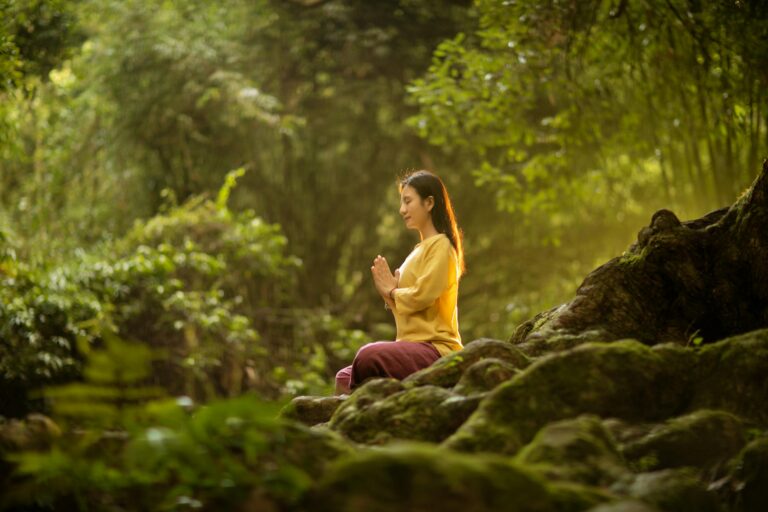
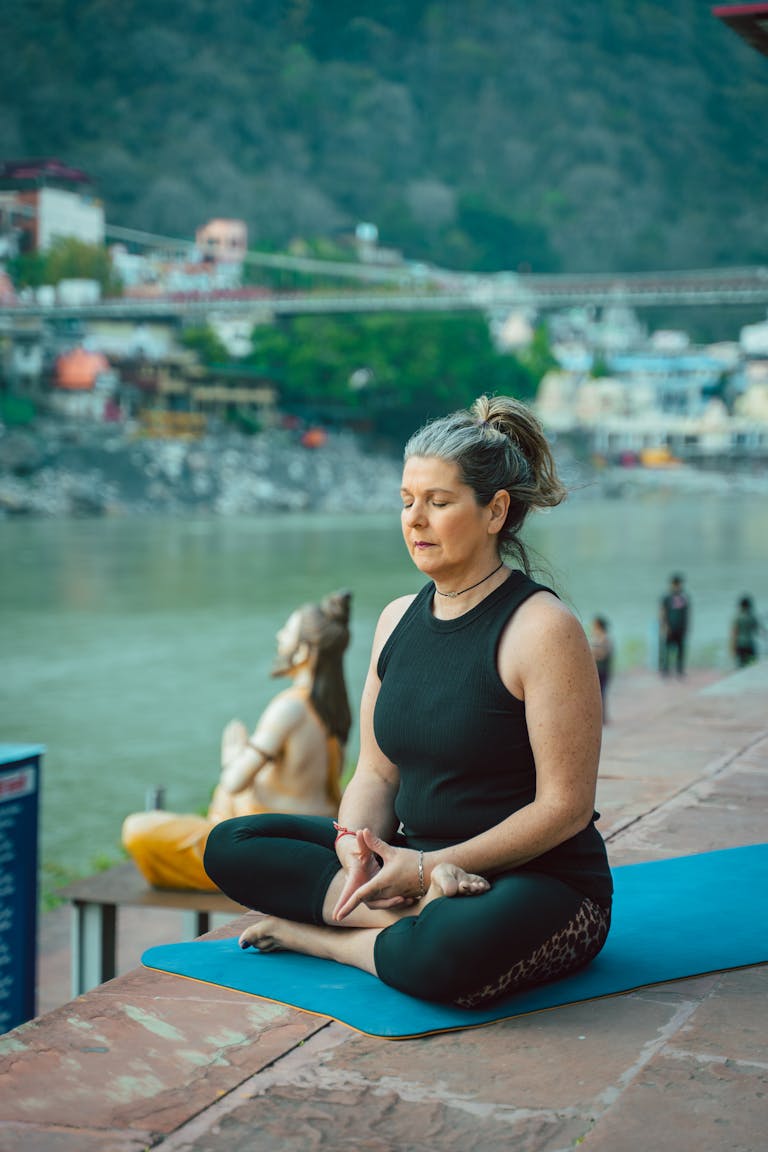
Start your day not with your phone, but with a moment of stillness. Sit for 3-5 minutes, breathe deeply, feel your body waking up. This sets a calm tone, rather than racing from one thing to the next.
B. Choose Single-Tasking Over Multitasking
When you attempt to do many things at once, you fragment your attention and increase stress. Instead, focus on one thing at a time. Write an email. Then pause. Then move to the next. This builds clarity and conserves mental energy.
C. Micro-Moments of Stillness
In the midst of a busy day, pause for 30 seconds: take deep breaths, feel your feet on the ground, look out a window, notice your body. These tiny mini-pauses act as resets. They help you reclaim your energy and remain rooted in the moment.
D. Evening Rituals Instead of Doing More
Rather than filling your evening with screens, tasks, or distractions, create a gentle winding-down ritual. Dim lights, put devices away, drink herbal tea, journal for a few minutes. Honor your need for recovery and emotional wellness.
7 Practical Steps to Reclaim Your Energy Through Slowing Down
Here’s a deeper dive into actionable steps you can adopt. Each one aligns with building a wellness lifestyle and mindful living routines.
1. Respect Your Body’s Energy Rhythms
Your body has natural rhythms — highs and lows, periods of activity and rest. When you ignore them, you risk exhaustion. Try this: after a burst of work, give yourself a 5-minute break. Stretch, breathe, walk. This honors your rhythm and replenishes your energy.
2. Simplify Your To-Do List
Busyness often equals overwhelm. Instead of a long list, ask: What truly matters today? Choose 2–3 top things. Let go of the rest. This shift supports emotional wellness by reducing mental clutter and helping you focus your energy where it counts.
3. Deepen Your Mindful Living Routines
Add one or two moments of awareness to your day. For example: while drinking your morning tea, notice the warmth, the taste, your breath. Or during your commute, instead of rushing, notice the scenery, your posture, your mood. These mindful living routines build presence and reclaim energy.
4. Turn Off the Hustle Mode
We often treat rest as the “reward” after achievement. What if rest was part of the achievement? Create a nightly wind-down routine 30–60 minutes before bed: no screens, low light, gentle movements, maybe meditation or journaling. Good sleep is foundational to energy.
5. Reconnect with Nature
Nature is slow. Trees grow, seasons change, rivers flow. When you spend time outdoors, you align with deeper rhythms. A short walk, breathing fresh air, noticing the sky — these simple acts help reclaim your energy and support emotional wellness.
6. Boundaries Are Self-Care
When you constantly say yes, you drain your energy. Saying no isn’t rude — it’s kind to yourself. Protect your time, your focus, your nervous system. Maintaining boundaries is a key element of a sustainable wellness lifestyle.
7. Celebrate Small Progress
Slowing down is a practice, not a destination. When you catch yourself rushing, pause. When you choose one small ritual instead of many tasks, celebrate. Energy reclaimed is meaningful, even if it’s simple. These small wins add up and support emotional wellness over time.
Real Example: How It Played Out
Here’s a story to bring it to life:
Jane works in a busy city. She’s always “on”. Deadlines, commuting, social obligations, notifications keep her running. She’s exhausted by midday, but still pushes on, believing success means speed. Until one morning she sits quietly before opening her phone. She wonders: When did I last feel calm?
She begins with a simple pause every morning. Then she limits her multitasking at work. Every day she takes one 3-minute walk outside. She chooses to log off by 8 pm, switch off screens, and journal for ten minutes. Within weeks, she feels more focused. By the third week, her afternoon crash disappears. She notices she has more emotional resilience. Her relationships feel richer. These weren’t big changes, but they added up.
Her transformation wasn’t about working harder — it was working wiser. She reclaimed her energy by slowing down, building mindful living routines, and creating space for emotional wellness.
Common Myths About Slowing Down
It’s worth addressing some common misunderstandings:
- “If I slow down, I’ll fall behind.”
Actually, slowing down helps you think clearer, make better decisions, and focus on what truly matters. It’s not about less, it’s about smarter. - “Slowing down is lazy.”
No — it’s intentional. It takes courage to step off the treadmill of busyness and build a wellness lifestyle rooted in meaning. - “I don’t have time to pause.”
You don’t need hours. Even 2–5 minutes of mindful breathing, or choosing one ritual, makes a difference. Consistency matters more than length.
FAQ – Frequently Asked Questions
Q1: What exactly does “slowing down” mean in practice?
A: It means shifting from constant motion and multitasking to moments of purpose, single-tasking, pauses, and reconnecting with your body, breath and priorities. It means replacing hurried routines with mindful living routines.
Q2: How soon will I notice benefits from slowing down?
A: You might notice small shifts within days — calmer mind, better focus, fewer afternoon energy crashes. Deeper benefits (emotional wellness, sustained clarity) develop over weeks or months as you build consistent routines.
Q3: What if I’m naturally a high-achiever or in a demanding job?
A: You can still thrive. Slowing down doesn’t mean doing less. It means doing with awareness. Choose your top priorities, build micro-pauses, protect your recovery time. Even high-achievers benefit from a wellness lifestyle rooted in mindful living.
Q4: I feel guilty when I rest. How can I overcome that?
A: Recognise that rest is not the opposite of productivity — it supports it. Viewing rest as essential rather than optional allows you to reclaim your energy and perform sustainably. Try framing rest as a strategic part of your day.
Q5: Can slowing down help with physical health too?
A: Yes. Slowing your pace reduces stress hormones, supports better sleep, improves circulation (through mindful movement), and allows your body to recover. All of these contribute to physical vitality and reclaim your energy.
Bringing It All Together
At its heart, the art of slowing down is an invitation. It invites you to step off the “go” treadmill and step into a wellness lifestyle built on mindful living routines and emotional wellness. It invites you to reclaim your energy, not through more tasks, but through more meaning, more presence, more alignment with your natural rhythm.
Here’s your simple start:
- Choose one small pause today (even 3 minutes).
- Pick one mindful living routine to incorporate this week (morning pause, evening wind-down, nature walk).
- Notice how you feel. Journal the changes. Celebrate your small wins.
Over time, these small steps lead to big changes. The constant rush gives way to purposeful flow. Energy returns. Clarity deepens. You remember that your pace doesn’t define your success — your presence does.
You deserve to live in a way that nourishes you, not drains you. So today, give yourself permission to slow down. To breathe. To reclaim. To live with intention.