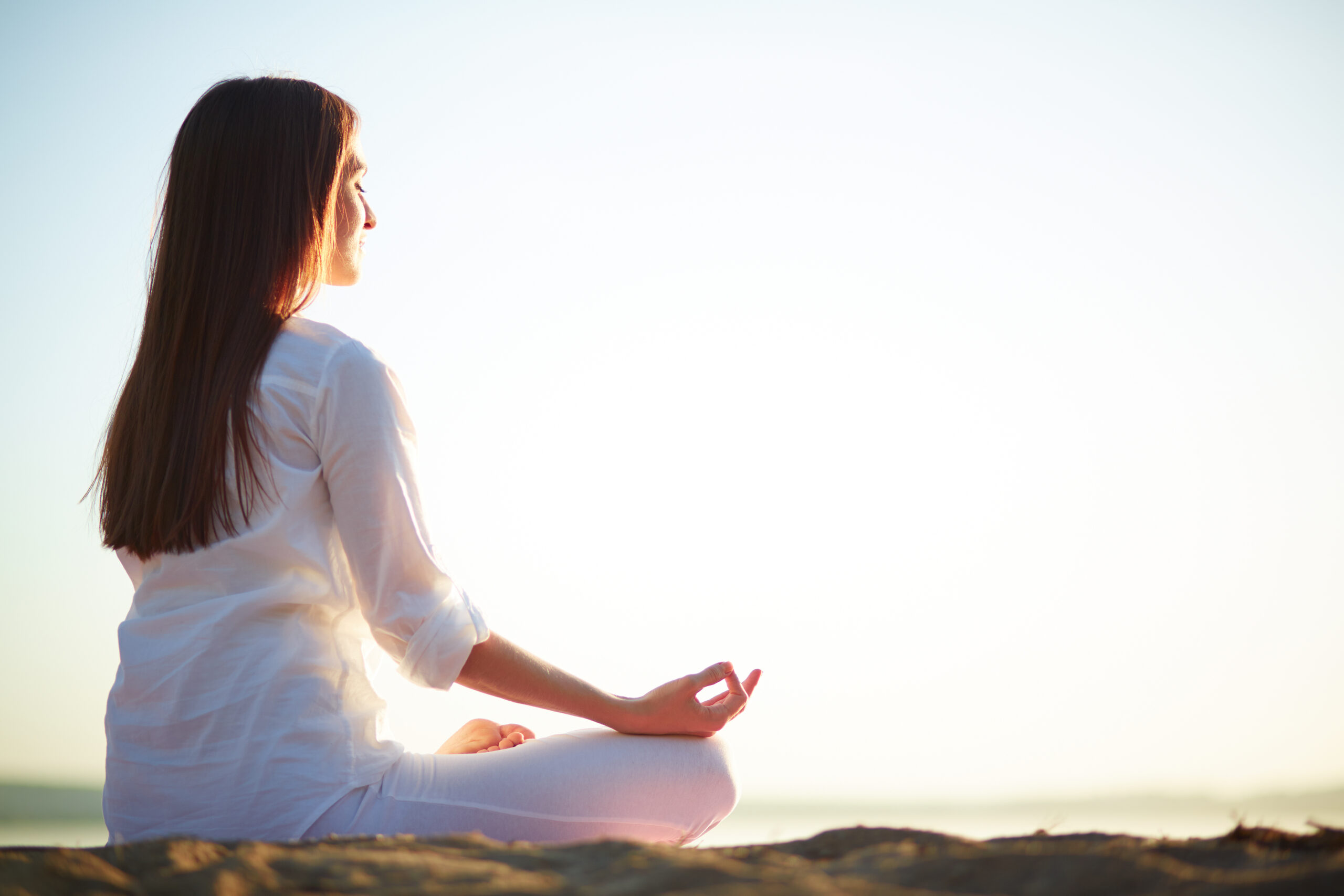
Jnana Yoga: The Path of Wisdom, Knowledge & Self-Realization
What Is Jnana Yoga?
Jnana Yoga is known as the Yoga of Knowledge and Wisdom It focuses on understanding the true nature of reality and the self.
Instead of using:
- Physical postures
- Devotional emotions
- Rituals
Jnana Yoga uses self-inquiry, reasoning, and awareness.
For a complete overview, explore-Types of Yoga Explained
Meaning of Jnana Yoga
The word Jnana means knowledge or wisdom.
Jnana Yoga teaches: “You are not the body, not the mind, but pure awareness.”
It helps you move from:
❌ Ignorance → ✅ Understanding
❌ Confusion → ✅ Clarity
❌ Fear → ✅ Freedom
Origin of Jnana Yoga
Jnana Yoga comes from ancient Indian texts such as:
- Upanishads
- Bhagavad Gita
- Vedanta philosophy
Great teachers of Jnana Yoga include:
- Adi Shankaracharya
- Ramana Maharshi
- Swami Vivekananda
They taught that knowledge leads to liberation.
Why Jnana Yoga Matters in Modern Life
Today many people struggle with:
- Overthinking
- Mental confusion
- Identity crisis
- Constant stress
Jnana Yoga helps by:
✔ Sharpening clarity
✔ Reducing mental noise
✔ Increasing self-awareness
Especially helpful with Raja Yoga: The Yoga of Mind Control
Core Principle of Jnana Yoga
The foundation of Jnana Yoga is self-inquiry.
The main question is: “Who am I?”
By deeply observing thoughts, emotions, and identity, you slowly detach from false beliefs.
The Four Main Practices of Jnana Yoga
1️⃣ Viveka – Discrimination
Knowing the difference between:
- Real and unreal
- Permanent and temporary
2️⃣ Vairagya – Detachment
Letting go of unnecessary attachments.
Similar balance is taught in Karma Yoga: Yoga of Action Explained
3️⃣ Shatsampat – Mental Discipline
Includes:
- Calmness
- Control of senses
- Patience
- Faith
4️⃣ Mumukshutva – Desire for Liberation
A deep inner desire to know the truth.
Jnana Yoga vs Other Yoga Paths
| Yoga Path | Focus |
| Jnana Yoga | Wisdom & self-knowledge |
| Bhakti Yoga | Love & devotion |
| Karma Yoga | Action without attachment |
| Raja Yoga | Mind mastery |
Also read:
- Bhakti Yoga: Yoga of Devotion and Love
- Karma Yoga: Yoga of Action Explained
Benefits of Jnana Yoga
Mental Benefits:
✔ Clear thinking
✔ Reduced overthinking
✔ Improved decision-making
Emotional Benefits:
✔ Detachment from negativity
✔ Inner stability
✔ Emotional maturity
Spiritual Benefits:
✔ Self-realization
✔ Freedom from fear
✔ Inner peace
Supports Yoga for Spiritual Growth Explained
Jnana Yoga & Mental Health
Jnana Yoga helps people who:
- Overthink constantly
- Feel confused or lost
- Seek deeper meaning
By observing thoughts without attachment, anxiety reduces naturally.
Combine with Yoga Types for Anxiety Relief for best results.
Is Jnana Yoga Difficult?
Jnana Yoga is:
✔ Intellectually demanding
✔ Requires patience
✔ Needs mental discipline
But it is not impossible.
Beginners can start slowly with guidance and simple reflection.
Jnana Yoga for Beginners
Daily Practice (15–20 minutes):
- Sit quietly – 5 min
- Observe thoughts without reacting
- Ask gently: Who is observing this?
- Read one spiritual paragraph
- Reflect silently
Consistency matters more than effort.
Jnana Yoga in Daily Life
You practice Jnana Yoga when you:
- Observe emotions instead of reacting
- Question negative beliefs
- Detach from ego conflicts
- Choose awareness over impulse
It blends well with work life and responsibilities.
Office workers can pair this with Best Yoga Type for Office Workers
Common Myths About Jnana Yoga
❌ Jnana Yoga is only for monks
❌ It rejects emotions
❌ It makes you cold or detached
✅ Truth: Jnana Yoga creates balanced intelligence and emotional maturity.
Jnana Yoga & Balance With Other Paths
Most people benefit from a mix:
- Jnana Yoga → clarity
- Bhakti Yoga → emotional warmth
- Karma Yoga → action
Read Bhakti Yoga Explained for heart balance.
Jnana Yoga Brings Inner Clarity
Jnana Yoga teaches that:
✔ Truth removes fear
✔ Awareness brings peace
✔ Knowledge leads to freedom
It is ideal for seekers who want deep understanding and lasting peace.
Continue your journey with:
- Yoga for Spiritual Growth Explained
- Raja Yoga: The Yoga of Mind Control
- Bhakti Yoga: Yoga of Devotion and Love
Frequently Asked Questions–
Jnana Yoga is the yoga of self-knowledge and wisdom.
People who like thinking, reflection, and understanding truth.
Yes, with simple self-inquiry and reading.
Yes, it reduces mental confusion and fear.
Yes, it requires no physical setup.